
Which Is More Expensive Clad Doors or Fiberglass Exterior Doors?
TL;DR
Which is more expensive? In most cases, clad exterior doors cost more than fiberglass exterior doors, especially when comparing premium wood clad entry systems to mid range fiberglass models.
Typical price difference: Expect clad doors to cost several hundred to a few thousand dollars more, depending on size, glass, species of wood and manufacturer.
Best choice for most homeowners: Fiberglass offers the best balance of cost, durability, energy efficiency and low maintenance.
Ideal use cases: Choose clad doors for luxury homes where authentic wood interiors and premium architectural detail matter most. Choose fiberglass for long term value, weather resistance and minimal upkeep.
If you’re comparing entry doors and wondering which is more expensive clad doors or fiberglass exterior doors, price is only one piece of the decision. The more expensive door is not automatically the better investment. Material construction, maintenance requirements, climate, appearance, repairability and expected lifespan all affect long term value.
After decades of working on exterior renovations, one lesson comes up repeatedly: homeowners often focus on the purchase price while overlooking the costs that appear over the next 20 or 30 years. A lower priced door that never needs major repairs may ultimately cost less than a premium door requiring regular refinishing and maintenance.
This blog explains how both door types are built, why their prices differ, where each performs best and when spending more actually makes sense.
Quick Comparison at a Glance
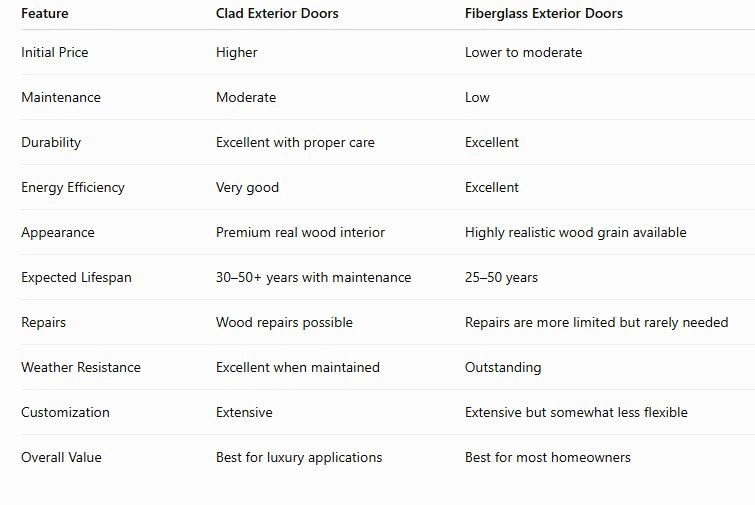
What Is a Clad Exterior Door?
A clad exterior door combines a real wood structural core or interior surface with a protective exterior cladding, usually made from aluminum or another weather resistant material.
The goal is simple:
- Preserve the warmth and beauty of natural wood indoors.
- Protect the exterior from rain, sun, snow and temperature changes.
Unlike an all wood door, the outside surface isn’t directly exposed to the weather, which dramatically reduces maintenance.
Many premium manufacturers use clad construction for custom entry systems because homeowners want authentic wood interiors without constant refinishing.
One detail many buyers overlook is that not all clad doors are built the same. The quality of the cladding attachment, corner joints, thermal breaks and weather seals has a major impact on long term performance.
What Is a Fiberglass Exterior Door?
Fiberglass exterior doors use molded fiberglass skins bonded to an insulated core, typically polyurethane foam.
Inside, the door is reinforced with structural framing around the edges and lock area. High end fiberglass doors often feature deep wood grain textures that closely resemble oak, mahogany, fir or walnut.
Modern fiberglass has improved tremendously over the past two decades. Many visitors cannot distinguish a premium fiberglass door from stained wood until they touch it.
Because fiberglass doesn’t absorb water like wood, it’s naturally resistant to many of the problems that shorten the life of traditional entry doors.
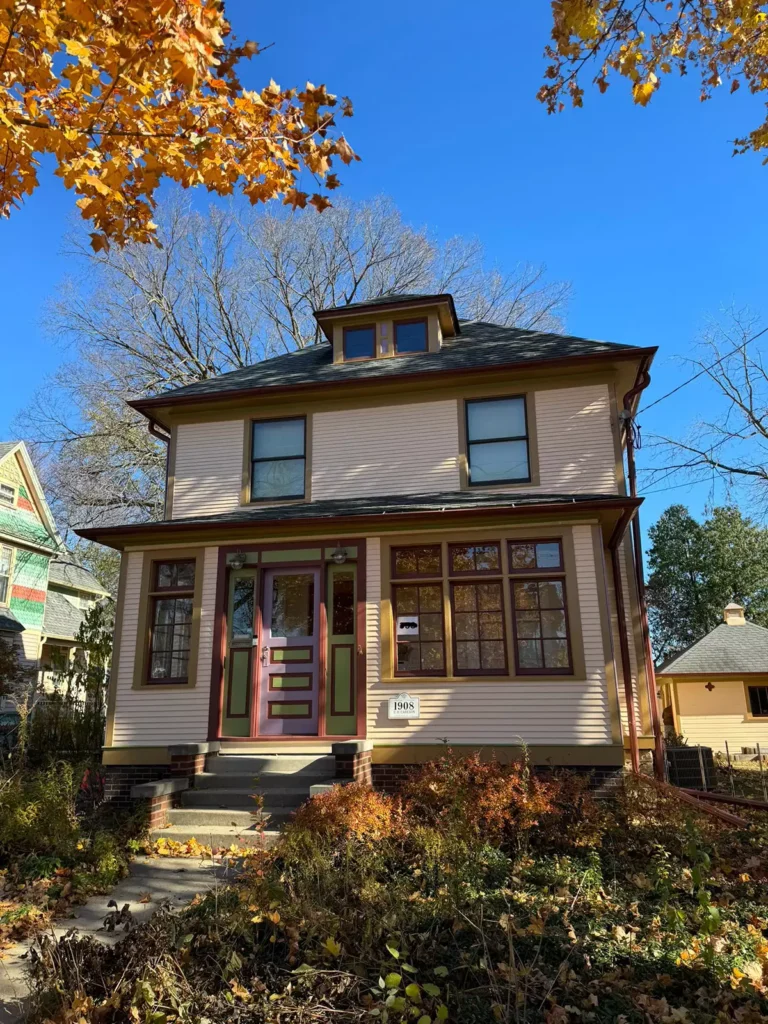
How Are They Constructed?
Understanding construction helps explain the price difference.
Clad Door Construction
Typical components include:
- Real wood interior.
- Engineered wood framing.
- Aluminum or composite exterior cladding.
- High performance weatherstripping.
- Insulated core or engineered wood sections.
- Premium hardware compatibility.
Manufacturing is more labor intensive because multiple materials must fit together precisely.
Fiberglass Door Construction
Typical components include:
- Molded fiberglass skins.
- Polyurethane foam insulation.
- Composite or wood lock blocks.
- Reinforced frame sections.
- Composite bottom rails.
- Factory applied finish or paint ready surface.
Fiberglass production is generally more efficient, helping reduce manufacturing costs.
Why Are Clad Doors Usually More Expensive?
Several factors contribute to the higher price.
1. Premium Materials
Real hardwood costs significantly more than fiberglass skins.
2. Complex Manufacturing
Multiple materials require additional engineering and assembly.
3. Customization
Many clad doors are built to order with custom dimensions, premium glass packages and specialty wood species.
4. Luxury Market Position
Clad doors are often installed in high end custom homes where architectural appearance carries greater value than minimizing upfront cost.
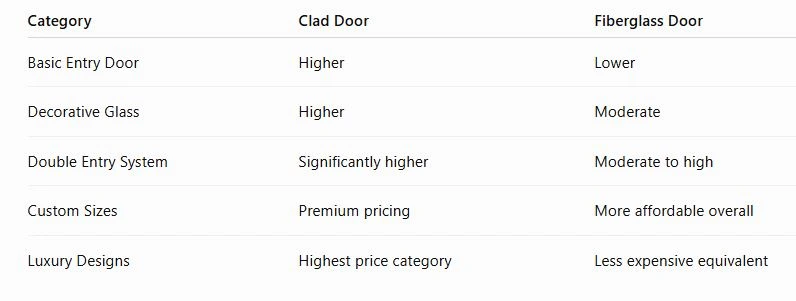
Price Comparison
While exact prices vary by manufacturer and options, the pattern is consistent.
Planning a Painting Project?
Installation Costs
Installation costs are often similar if both doors fit an existing opening. However, clad systems may increase labor because they often include:
- Larger door units.
- Heavier assemblies.
- Premium trim packages.
- Custom thresholds.
- More complex flashing requirements.
Professional installation matters regardless of material. Even an expensive door can develop leaks if flashing, sill pans and weather barriers aren’t installed correctly.
One mistake experienced contractors frequently encounter is homeowners replacing only the door slab while leaving a deteriorated frame in place. If the frame has moisture damage or isn’t square, replacing the entire prehung unit usually produces a much better long term result.
Maintenance Costs Over Time
Fiberglass is the clear winner for low maintenance.
Fiberglass
Typically requires:
- Occasional washing.
- Minor touch up painting if painted.
- Weatherstrip replacement as needed.
Clad Doors
Although exterior cladding reduces maintenance dramatically, homeowners should still monitor:
- Interior wood finish.
- Sealants.
- Caulking.
- Hardware adjustments.
- Drainage around thresholds.
The biggest maintenance issue isn’t usually the cladding itself. It’s moisture entering around neglected caulk joints or failed flashing.
Expected Lifespan
Neither material has a single guaranteed lifespan because installation quality, exposure and maintenance all matter.
Fiberglass
Properly installed fiberglass doors commonly remain serviceable for several decades.
Clad Doors
Premium clad doors can also last decades, particularly when the wood interior is maintained and moisture intrusion is prevented. In many cases, hardware replacement becomes necessary long before the door itself wears out.
Energy Efficiency
Fiberglass generally offers the advantage. Its insulated foam core provides excellent thermal performance. Clad doors can also be highly energy efficient, especially premium insulated models, but overall performance depends on:
- Glass package.
- Weatherstripping.
- Frame construction.
- Installation quality.
- Air sealing.
Air leakage around a poorly installed door often wastes more energy than the difference between the door materials themselves.
Weather Resistance
Rain, snow, UV exposure and freeze thaw cycles all affect exterior doors differently.
Fiberglass
Fiberglass performs exceptionally well because it:
- Doesn’t rust.
- Doesn’t rot.
- Doesn’t swell.
- Resists temperature changes.
Clad Doors
The aluminum or composite cladding protects the vulnerable wood beneath from direct weather exposure. However, damaged cladding, failed sealants or poor installation can allow moisture into concealed areas.
Moisture Resistance
Fiberglass is naturally one of the best materials available for wet environments. Wood components inside clad doors remain protected as long as exterior barriers remain intact. This distinction is important.
People sometimes assume “clad” means waterproof. It doesn’t. The cladding is a protective shell, but water can still enter through failed joints, improperly sealed fasteners or installation defects.
Planning a Painting Project?
Rot Resistance
Fiberglass itself cannot rot. Clad doors resist rot very well because exposed wood is minimized. Still, surrounding framing, jambs, brick mold and trim can rot if water isn’t managed correctly. Many door failures blamed on the door actually begin with poor flashing above the unit.
Dent Resistance and Scratch Resistance
Fiberglass
- Resists dents better than many metal doors.
- Minor scratches are usually cosmetic.
Clad Doors
Aluminum cladding resists weather well but can dent from significant impacts. Deep dents in cladding are often more difficult to repair invisibly than scratches on fiberglass.
Paintability and Stain Options
Fiberglass
Can usually be painted. Many premium models also accept specialized gel stains that closely resemble natural wood.
Clad Doors
The real wood interior can be stained virtually any color. Exterior cladding typically comes with durable factory finishes that don’t require frequent repainting.
Curb Appeal
This category depends more on homeowner priorities than material. Clad doors often deliver the highest end appearance because of genuine wood interiors and premium detailing.
Fiberglass has narrowed the gap considerably. Today’s molded wood grain finishes can be remarkably convincing, especially from normal viewing distances. For many neighborhoods, visitors won’t notice the difference.
Customization Options
Clad doors generally offer greater flexibility. Options may include:
- Custom wood species.
- Decorative glass.
- Sidelights.
- Transoms.
- Custom profiles.
- Specialty finishes.
- Historic reproductions.
Fiberglass also offers numerous styles, but the selection may be more standardized depending on the manufacturer.
Repairability
Wood components in clad doors can sometimes be repaired by experienced craftspeople. Fiberglass rarely needs structural repair, but when severe damage occurs, replacing the slab is often more practical than extensive repairs. Hardware repairs are similar for both.
Warranty Considerations
Always read the complete warranty rather than comparing the advertised warranty length. Pay attention to:
- Finish coverage.
- Glass coverage.
- Labor exclusions.
- Coastal exposure exclusions.
- Paint requirements.
- Installation requirements.
Improper finishing or installation can void otherwise excellent warranties.
Which Door Performs Best in Different Climates?
Best for Cold Climates
Fiberglass usually performs exceptionally well because of its insulated core and dimensional stability. Premium insulated clad systems also perform very well when properly installed.
Best for Hot Climates
Fiberglass handles prolonged heat and sun exposure with minimal movement. Light colored finishes generally reduce heat absorption.
Best for Humid Climates
Fiberglass is often the safest long term investment because humidity has little effect on the material itself.
Best for Coastal Homes
Salt air is harsh on every exterior product. Fiberglass is frequently preferred because it doesn’t corrode. For clad systems, marine grade finishes and corrosion resistant hardware become especially important.
Planning a Painting Project?
Which Style Fits Your Home?
Best for Modern Homes
Both work well. Fiberglass offers many sleek contemporary designs with narrow glass panels and clean lines.
Best for Traditional Homes
Clad doors shine where authentic wood interiors and architectural detail complement historic or upscale traditional homes.
Pros and Cons
Clad Doors
Pros
- Beautiful real wood interior.
- Premium appearance.
- Extensive customization.
- Long lifespan.
- Strong resale appeal in luxury homes.
Cons
- Higher upfront cost.
- More expensive custom options.
- Interior wood may require refinishing.
Fiberglass Doors
Pros
- Lower purchase price.
- Very low maintenance.
- Excellent energy efficiency.
- Outstanding moisture resistance.
- Won’t rot or warp like wood.
Cons
- Less authentic than real wood up close.
- Deep structural repairs are uncommon but harder.
- Premium models can approach clad pricing.
Common Misconceptions
1. Fiberglass looks fake
That was often true years ago. Modern manufacturing has dramatically improved wood grain realism.
2. Clad doors never need maintenance
The cladding reduces maintenance but doesn’t eliminate it. Caulk, weatherstripping, finishes and hardware still require periodic attention.
3. The most expensive door lasts the longest
Installation quality frequently determines longevity more than the material itself.
Common Buying Mistakes
Experienced installers regularly see homeowners make these mistakes:
- Buying based only on appearance.
- Ignoring energy ratings.
- Choosing the wrong swing direction.
- Reusing damaged frames.
- Forgetting about sun exposure.
- Overlooking warranty requirements.
- Installing premium doors with budget hardware.
- Skipping professional flashing and waterproofing.
A beautiful door cannot compensate for poor installation.
Planning a Painting Project?
When Clad Doors Are Worth the Extra Cost
Paying more makes sense if:
- You’re building a custom luxury home.
- Authentic interior wood matters.
- Historic architectural accuracy is important.
- You want extensive design flexibility.
- Budget is less important than premium aesthetics.
When Fiberglass Is the Better Investment
Fiberglass is usually the smarter choice if you:
- Want lower ownership costs.
- Prefer minimal maintenance.
- Live in humid or coastal climates.
- Prioritize energy efficiency.
- Need strong durability without luxury pricing.
For the majority of homeowners, fiberglass delivers the strongest combination of value and long term performance.
Conclusion
So, which is more expensive clad doors or fiberglass exterior doors? In nearly every comparable scenario, clad doors command the higher upfront price because they combine real wood with protective exterior cladding, involve more complex manufacturing and are often built for the premium custom home market.
Fiberglass, however, stands out as the better overall value for many homeowners. It delivers excellent energy efficiency, strong resistance to moisture and rot, minimal maintenance and long service life at a lower initial cost. Clad doors justify their premium when authentic wood interiors, architectural customization and luxury aesthetics are priorities.
If you’re evaluating an exterior door as part of a broader renovation, it also pays to consider how the surrounding trim, siding, flashing and finish work will affect long term performance. Contractors with extensive exterior renovation experience, including teams such as Big League Painting, often emphasize that the quality of installation and water management has as much influence on a door’s lifespan as the material itself.
Ultimately, the right choice depends on your budget, climate, maintenance expectations and design goals. Fiberglass is the practical option for most households, while clad doors are a worthwhile investment when premium craftsmanship and authentic wood detailing are central to the home’s character.